Sandwich Calories
Jimmy John's Jimmy Cubano Calories and Nutrition
The local 8-inch Jimmy John's Jimmy Cubano record has 836 calories and 43g protein. The 16-inch record has 1663 calories, so size and the full meal both matter when comparing an order.
Source and safety note
This article is from an independent planning site, not Jimmy John's. Source snapshots used by this site were captured on 2026-06-18. Nutrition, allergen, menu, price, hour, and location details can change, so verify official sources before relying on them.
Key takeaways
- The local 8-inch record has 836 calories, 43g protein, and 2529mg sodium.
- The local 16-inch record has 1663 calories and 85g protein.
- The saved official menu card shows 490-830 calories for smaller preparations and 1,660 calories for the giant, which can represent a different preparation or rounding convention.
Jimmy Cubano calorie answer
An 8-inch Jimmy John's Jimmy Cubano has 836 calories in this site's local Nutritionix snapshot. That record also lists 40g fat, 71g carbohydrates, 43g protein, and 2529mg sodium. It is the clearest answer for a visitor asking about the standard 8-inch record, but it is not a promise that every current restaurant build is identical.
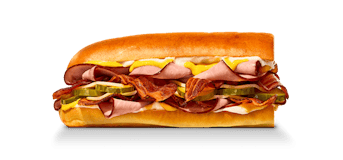
The sandwich description in the saved menu card is bacon, ham, provolone, pickle, mayo, and yellow mustard. Those ingredients explain why a calorie number belongs to the completed sandwich rather than one meat or vegetable alone. Bread, cheese, condiments, and serving size all contribute; use the item name and preparation shown in the current ordering flow when a precise comparison matters.
- 8-inch: 836 calories and 43g protein.
- 8-inch fat: 40g.
- 8-inch carbohydrates: 71g.
- 8-inch sodium: 2529mg.
Why the menu can show a range
The browser-saved official menu card lists 490-830 calories for smaller preparations and 1,660 calories for the giant. The local Nutritionix-backed record is one defined 8-inch build, while a menu card can summarize multiple portions or preparation choices. A difference between those views is context to investigate, not evidence that one number should silently replace the other.
Changes such as an Unwich-style lettuce wrap, taken-bread-out preparation, cheese, mayo, oil and vinegar, peppers, and current item definitions can move a total. The practical approach is to choose the exact size first, compare the relevant published record, and verify the live official item before relying on the result for a strict target.
8-inch versus 16-inch Jimmy Cubano
The local 16-inch Jimmy Cubano record has 1663 calories, 85g protein, and 4847mg sodium. That is substantially more than the 8-inch record because the giant is a larger sandwich, not simply another label for the same serving.
Splitting a giant or saving half can change what is eaten in one sitting, but the whole sandwich still contains the complete 16-inch total. This distinction helps avoid comparing a partial portion with an entire 8-inch sandwich. It also makes sides and drinks easier to assess: add them to the portion you actually expect to eat.
- 8-inch: 836 calories and 43g protein.
- 16-inch: 1663 calories and 85g protein.
- 16-inch sodium: 4847mg.
Plan the full order, not just the sandwich
A sandwich-only figure is a useful starting point, but it is not a meal total. Chips, a cookie, a drink, sauces, and add-ons can materially change calories, sodium, sugar, fat, or carbohydrates. Start with the Jimmy Cubano size you want, then add the items that are realistically part of your order in the calculator.
For allergy, ingredient, pregnancy-related, or medically directed diet decisions, this guide is not a substitute for current official documents, restaurant confirmation, or qualified professional guidance. It can help identify what to compare, but it cannot confirm cross-contact, live availability, or an exact restaurant portion.
How mustard and other changes affect the comparison
The saved standard Jimmy Cubano description includes yellow mustard as well as mayo, pickle, bacon, ham, and provolone. If an ordering screen offers another mustard, a restaurant applies a different amount, or you remove one condiment, you are comparing a modified current order with the saved reference build. That can be a useful choice, but it should not be treated as though the 836-calorie record describes every possible variation.
Portion impressions can vary too. Bacon placement, folded meat, cheese, bread shape, and condiment distribution can make two sandwiches look different even when they share a menu name. For a practical nutrition comparison, match the size and bread format first, note every requested removal or extra, and then use the calculator as a planning estimate rather than trying to infer calories from how full the sandwich appears.
- Confirm the 8-inch or 16-inch size before comparing totals.
- Check whether mustard, mayo, cheese, bacon, or bread preparation changed.
- Use the current official item page when a precise live ingredient list matters.
How this guide uses source data
This guide is built from the same source set used by the calculator and menu pages: public Jimmy John's menu references, official nutrition and allergen links, Nutritionix restaurant data, and local source snapshots maintained for this site.
The local source snapshot date is 2026-06-18. That date is included because restaurant data is not static. Recipes, suppliers, portions, limited-time items, local availability, and ordering channels can change after a guide is published.
When this guide discusses a nutrition pattern, treat it as a planning explanation rather than a guarantee. The practical goal is to help you know what to compare before you move to official Jimmy John's resources for current details.
A practical comparison workflow
Start by deciding what you are actually comparing: a main item by itself, a full meal, or a specific swap. Then keep as many variables constant as possible so the difference you see is tied to one decision instead of several hidden changes.
For example, compare the same main item with different sides, compare two main items with the same drink, or compare a meal with and without dessert. This approach makes the calculator more useful than scanning isolated numbers.
- Choose two or three realistic orders instead of trying to rank the entire menu.
- Add sides, drinks, sauces, and add-ons before judging the final meal.
- Review calories, protein, sodium, carbs, fat, sugar, and fiber together when those fields are available.
- Use official nutrition and allergen resources before relying on any estimate for health-sensitive decisions.
When to verify outside this site
Independent planning pages are useful for narrowing choices, but they should not be the final source for allergies, medical nutrition therapy, strict diets, pregnancy-related concerns, ingredient sensitivities, or restaurant availability.
Use official Jimmy John's documents, the current ordering flow, local restaurant staff, and qualified professionals when accuracy matters. This is especially important for allergen handling and cross-contact questions because store-level preparation can affect risk.
If a number on this site appears different from an official source, prefer the current official source and treat the difference as a signal to re-check the item before ordering.
Common questions
How many calories are in an 8-inch Jimmy John's Jimmy Cubano?
The local Nutritionix-backed 8-inch record used by this site has 836 calories.
How many calories are in a giant Jimmy Cubano?
The local 16-inch record has 1663 calories. Match the current official menu item before ordering because definitions can change.
Why can the menu and a nutrition record differ?
A menu range and one structured record can reflect different portions, preparations, rounding, or source timing. Compare the exact item and size.